






Why Building Openings Are Becoming More Important to Building Performance

When people think about building performance, they often focus on large and highly visible systems.
Mechanical services.
Façade design. Structural engineering. Sustainability technologies.
Yet some of the most important contributors to building performance are encountered every day. Windows. Doors.
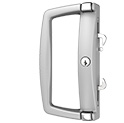
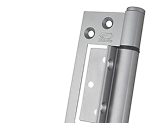
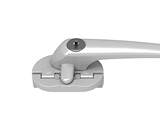
Hardware. Ventilation systems. Collectively, these elements form the building opening ecosystem.
And their influence on building performance continues to grow.
The Expanding Role of Building Openings
Historically, building openings were primarily evaluated according to functionality.
Could the window open effectively? Could the door provide secure access? Did the hardware perform reliably?
These questions remain important. However, contemporary projects increasingly evaluate building openings according to broader performance objectives.
Today, building openings may influence
Occupant comfort
Accessibility
Security
Sustainability
Ventilation
User experience
Long-term operational performance
This expanded role is changing how products are specified and developed.

Building Performance Is About Occupants
Ultimately, building performance is about people.
How people experience a building. How comfortable they feel. How effectively they can interact with their environment.
Building openings play an important role in these experiences. They facilitate access. Support ventilation.
Enable security. Influence usability. These daily interactions shape how occupants perceive the quality and performance of a building.
As expectations continue to evolve, architects are paying greater attention to the role these systems play.
The Move Toward Integrated Performance
One of the defining characteristics of contemporary architecture is integration.
Successful projects increasingly seek to align multiple objectives. Comfort. Sustainability.
Accessibility. Environmental performance. Building openings contribute to each of these goals.
This means they can no longer be viewed as isolated components. Instead, they form part of a broader performance strategy.
The Louvre Category as an Example
The evolution of Louvre systems provides a clear example of this trend.
Historically, Louvre systems were selected primarily to support airflow. Today’s projects require considerably more. Architects increasingly seek solutions capable of contributing to multiple project outcomes simultaneously.
Ventus Single Blade Louvre Systems support natural ventilation strategies while integrating into broader building performance objectives. Paraflow Dual Blade Louvre Systems address projects where airflow must be balanced with weather performance, acoustic outcomes and thermal considerations. These systems demonstrate how building openings are evolving from functional products into performance solutions.
Why This Matters
The future of architecture will continue placing greater emphasis on performance.
Buildings will need to be more sustainable. More resilient. More comfortable.
More adaptable. Meeting these expectations requires every building system to contribute effectively. Building openings are no exception.
Their influence on building performance will continue increasing. And project teams will increasingly seek solutions capable of supporting broader project objectives rather than isolated functions.
Looking Forward
The next generation of buildings will place even greater emphasis on integration and performance.
This will create opportunities for continued innovation across windows, doors, hardware and ventilation systems. The organisations that understand this shift will be best positioned to help architects and builders create better outcomes. Because building openings are no longer simply functional components.
They are becoming important contributors to overall building performance. And their importance will only continue to grow.