Single point locking systems are the engineering baseline for standard doors. Where door height, weight, and security requirements do not demand additional locking points, a single point door lock delivers...
Read More ⌵Single Point Locking
DS2285 | Belmont Slimline Pull Sliding Mortice Lockset
DS2285
DS2275 | Belmont D Pull Sliding Mortice Lockset
DS2275
Belmont | Sliding Mortice Lockset Range
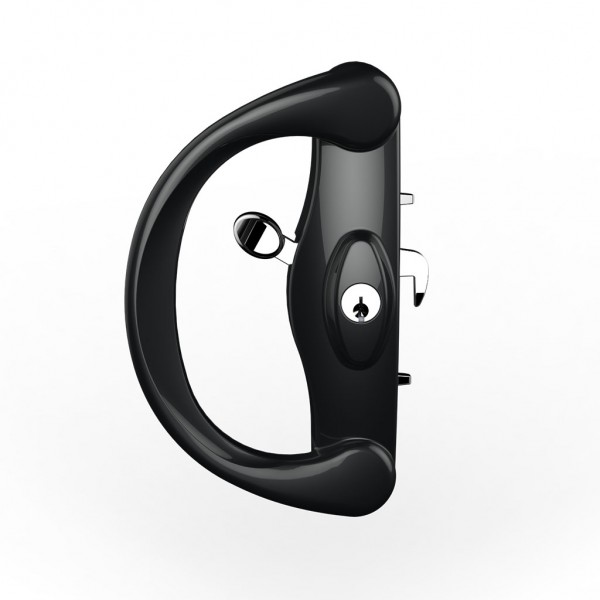
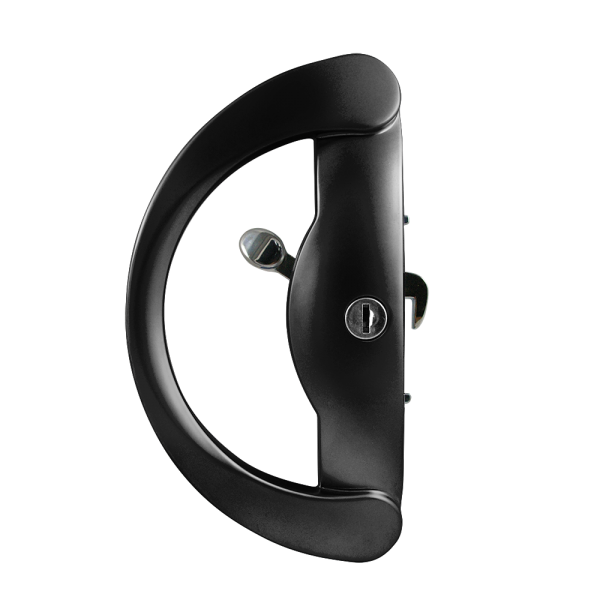
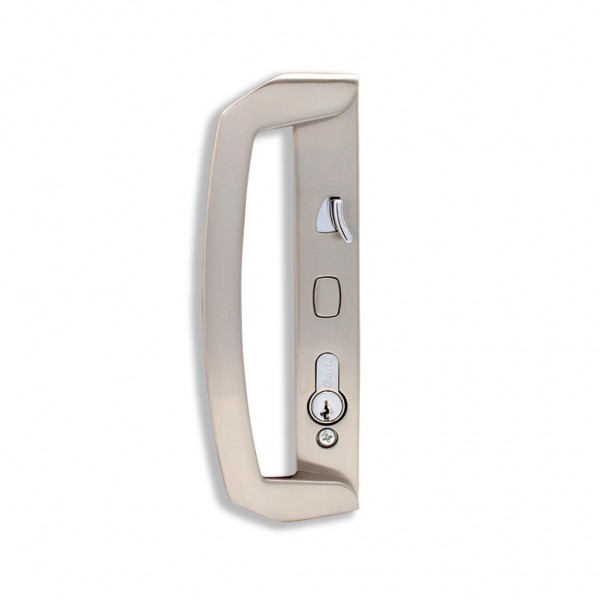
DS2275 DS2285
DS920 Waikato | Sliding Patio Door Lock
DS920
DS2250 | Sterling Mortice Lockset
Original price was: $166.64.$110.00Current price is: $110.00. inc. GST — DS2250Single point locking systems are the engineering baseline for standard doors. Where door height, weight, and security requirements do not demand additional locking points, a single point door lock delivers reliable, code-compliant securing with straightforward specification and proven performance.
A single latch door lock engages the door at one point only. This is the correct specification for the majority of internal and external standard doors in both residential and commercial construction. Doric supplies these systems purpose-built for Australian conditions.
Why Specify a Single Point Locking System
A single point locking system provides entry‑level door security that meets building standards without over‑engineering. For standard‑height hinged doors and lightweight sliding panels, a single point lock mechanism is the appropriate system choice.
Single latch engagement ensures the door is held closed and can be locked securely. There is no secondary locking; none is required when the door dimensions and usage patterns fall within standard parameters.
This architecture delivers:
- reliable everyday performance
- straightforward installation
- clear compliance with baseline security requirements
- proven lightweight door locking solution for standard internal partitions and domestic sliding panels*
Single Point vs Multi‑Point Locking
A basic door locking system uses a single latch or bolt. A standard door lock system stops at one point of engagement. This is sufficient for doors that are not unusually tall, wide, or subject to forced‑entry risk.
Multi‑point and two‑point systems distribute load across several locking points. They are required for doors exceeding standard sizing or where enhanced forced‑entry resistance is mandated. For standard openings, specifying additional locking points introduces unnecessary cost and complexity.
Single point sliding door lock applications follow the same logic: one latch point, correctly aligned, is the correct solution for lightweight or standard‑height sliding doors.
Where Single Point Locking Is the Correct Specification
A door lock without secondary locking is the industry default for:
- internal hinged doors – offices, storerooms, residential rooms
- external standard doors – entry doors within normal height and width ranges
- lightweight sliding doors – internal partitions, wardrobe doors, standard glazed panels
- commercial applications – where building codes do not mandate multi‑point systems
This is a non multi point locking solution. It is not a compromise; it is the correctly engineered baseline.
Compatibility and System Pairing
A single point lock mechanism operates as part of a complete door system. Correct specification requires pairing with the appropriate hardware.
For hinged doors
Pair with hinges rated for the door weight and a door cylinder matched to the lockset. The DS2250 Sterling Mortice Lockset is a proven single‑point solution for standard hinged applications.
For sliding doors
Pair with door rollers suited to the panel weight and a sliding door lock that engages cleanly at the single latch point.
For both internal and external door locking applications, select the cylinder first. This ensures keyed-alike capability and correct function regardless of whether the door is internal or external.
What Single Point Locking Is Not
A single point lock is not a multi‑point system. It does not provide top and bottom engagement. It is not a solution for:
- doors exceeding 2400 mm in height
- doors subject to forced‑entry compliance requirements
- commercial openings where dual‑point locking is specified
- poor door construction or misaligned frames
Specifying a lock for standard doors on non‑standard openings leads to performance failure. This page addresses correct baseline specification only.
Commercial and Residential Applications
Entry level door security from a standard door lock system is suitable for the majority of Australian homes, offices, and light commercial settings.
For residential projects: bedrooms, bathrooms, front and rear doors within standard sizing.
For commercial projects: internal office doors, store rooms, back‑of‑house access points, and standard external doors where enhanced security is not contractually required.
Doric supplies single point locking systems for both sectors, with locksets, cylinders, hinges, and rollers that integrate into a single, traceable supply chain.
Ordering Guidance
- Confirm the door type
Hinged or sliding? Standard dimensions? No forced‑entry requirement? Single point is correct.
Lightweight internal door? Single point is the correct lightweight door locking solution.
- Select the cylinder
Choose from Doric’s door cylinder range. This determines keying and security grade.
- Select the lockset
For hinged doors, the DS2250 Sterling Mortice Lockset is the reference standard. For sliding doors, select from the sliding door lock category.
- Pair with hardware
Hinges for hinged systems. Door rollers for sliding systems.
- Verify against the opening
If the door is standard weight, standard height, and does not require multi‑point compliance, the specification is complete.
For project‑specific locking requirements, speak with a Doric specifier.
FAQs
- Can I use a single point lock on a double-door application?
Yes, on standard-height leaves. Use a mortice lockset on the active leaf and flush bolts on the inactive leaf. Do not specify a single point lock as the sole securing method for both leaves.
- Is a single point sliding door lock suitable for a heavy timber sliding door?
No. Heavy timber doors exceed weight parameters for single latch engagement. For doors over 40 kg or exceeding 2100 mm, specify a multi-point or two-point sliding door lock system.
- What is the difference between a single point lock and a tubular latch?
A single point lock is a locking system with key-operated security. A tubular latch is a non-locking privacy mechanism. This category addresses locks that secure the opening.
- Can I key a single point lock alike with a multi-point lock on the same project?
Yes, if both accept the same cylinder type. Doric supplies cylinders keyed alike across different locking systems. Specify the cylinder first and confirm compatibility before ordering.
- Does AS 1296–2018 cover single point locking systems?
Yes. AS 1296–2018 sets test requirements for single point locksets. All Doric single point locking systems are tested to the relevant Australian Standard for their stated application.
Shop Single Point Locking Systems with Doric
Specify with confidence. Doric’s single point locking systems: the engineering baseline for standard doors. Reliable performance. Straightforward installation. Australian-made.
- Shop hinged door locks built for Australian residential and commercial applications
- Get support selecting the correct cylinder, lockset, and hardware pairing
- Call 1300 132 389 to speak with a Doric specification specialist
With Doric, your locking system is engineered to perform where it matters most.