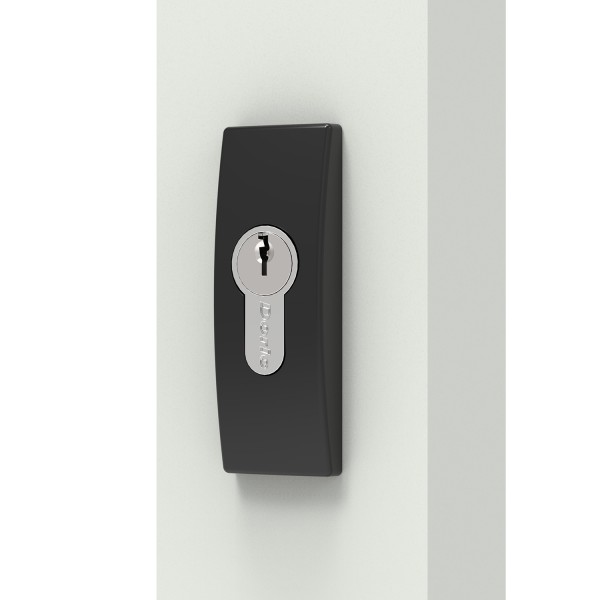
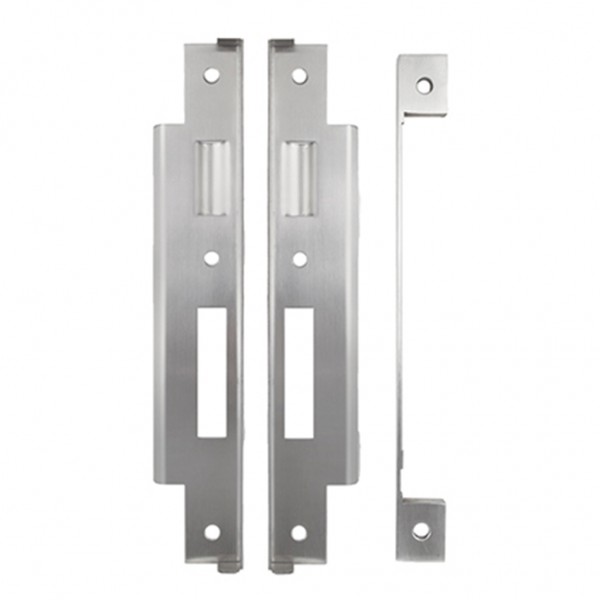
Timber Mortice Locks

A timber mortice lock fits within a mortice cut into the edge of a solid timber door. This is the traditional method for securing timber doors in homes, heritage buildings,...

Read More ⌵

A timber mortice lock fits within a mortice cut into the edge of a solid timber door. This is the traditional method for securing timber doors in homes, heritage buildings, and commercial joinery.

Solid timber doors require a locking system that works with the door’s structure. When you need strength that lasts decades, a clean finish without surface-mounted boxes, and hardware that suits heritage accuracy, a Doric mortice lock for timber doors is the professional’s choice for a lock for solid timber doors.

Why Choose a Timber Door Mortice Lock

Strength and Longevity

A mortice lock distributes stress through the door’s solid core. The lock body sits protected within the timber, transferring force from the handle and key to the reinforced mechanism. This makes it significantly stronger than surface-mounted alternatives, with service lives measured in decades.

Compatibility with Timber Joinery

Solid timber doors move with seasonal changes. A timber mortice lock is engineered with clearances that accommodate this movement without binding. This is the timber joinery door lock specifiers trust for doors in older homes, heritage buildings, and new builds.

Locksmith-Grade Security

Timber mortice locks are fully serviceable. Worn parts can be repaired without removing the door. For commercial buildings, this means lower maintenance costs. For homeowners, it means a lock that can be kept in working order indefinitely.

Period Accuracy

For heritage restorations and period-style new builds, this is the only appropriate choice. These locks replicate the function and feel of a classic door locking system while meeting contemporary security requirements.

Types of Timber Mortice Locks

Mortice Sash Lock for Timber Doors

A mortice sash lock combines a latch operated by handles with a deadbolt operated by key. This is the standard choice for external timber doors where you need both everyday convenience and keyed security.

Typical applications:

  • Front and rear entrance doors
  • French doors with rebated joinery
  • Commercial office doors requiring key control

Mortice Deadlock Timber Door

A mortice deadlock contains only a deadbolt, operated by key. There is no latch and no handle operation. These are used where doors need to be secured but not regularly passed through.

Typical applications:

  • Security doors and screen doors
  • Cupboard or store doors in commercial settings
  • Secondary locking on double-door sets

Keyed Mortice Lock Timber

Many Doric timber mortice locks accept interchangeable keyways, allowing you to key multiple locks alike or integrate with master key systems. For period homes, choose a heritage door mortice lock with period-style escutcheons and reproduction handles.

Internal Timber Mortice Lock

Internal doors typically require simpler hardware. An internal timber mortice lock may be a sash lock without a deadbolt or a tubular latch mechanism. These maintain the same installation method and faceplate dimensions as external locks.

How to Specify the Correct Timber Mortice Lock

  1. Measure Your Door Thickness

Most Australian solid timber doors are 35mm or 40mm thick for internal use, and 45mm for external doors. The lock body must fit entirely within the door. Check your door thickness before selecting a lock.

  1. Confirm the Backset

Backset is the distance from door edge to keyhole centre. Selecting the correct backset mortice lock timber option ensures proper handle position. Common backsets are:

  • 45mm for standard residential doors
  • 57mm or 60mm for thicker doors or commercial applications
  • 70mm+ for specialised joinery

The backset determines fit and handle position.

  1. Select the Faceplate Style

Faceplates are available in:

  • Square-edged for flush fitting
  • Radiused for doors with rounded edges
  • Rebated for French doors and double-door sets

The faceplate must match your door edge profile and rebate requirements.

  1. Choose the Mechanism
  • Sash lock for doors needing both latch and deadbolt
  • Deadlock for security-only applications
  • Bathroom/privacy lock for internal doors
  1. Match the Cylinder and Handles

Most Doric timber mortice locks accept standard 45mm or 60mm cylinders. For heritage applications, consider period-style escutcheons. For commercial projects, specify high-security cylinders and master keying. Pair with our door cylinders and hinged door hardware.

Compatibility and Installation Notes

Door Material

Timber mortice locks are designed for solid timber only. They are not suitable for hollow-core doors, aluminium frames, or steel doors.

Joinery Preparation

Cutting a mortice requires precision tools and familiarity with traditional door locking hardware. For heritage doors or valuable joinery, engage a qualified locksmith or joiner.

Pairing with Hinges

For solid timber doors with mortice locks, select hinges rated for the door weight. Our hinges category includes butt hinges and heavy-duty options suitable for external timber doors.

Escutcheons and Furniture

The DS1255 Escutcheon is a classic choice for heritage and traditional timber doors. For modern applications, choose flush-fitting rose plates.

What to Order

When preparing your project, you will need:

  • The lock itself – selected by door thickness, backset, and function
  • A compatible cylinder – keyed alike or master keyed as required
  • Handles or knobs – matching the spindle size
  • Escutcheons or roses – to cover keyholes and spindle holes
  • Hinges – rated for the door weight

Need assistance? Speak with our trade desk on 1300 132 389 for advice on master keying or heritage specifications.

Why Doric for Timber Door Hardware

Doric supplies locksmith grade timber hardware to builders, joiners, and locksmiths across Australia. Our range covers residential through to heavy-duty commercial specifications, with interchangeable cylinders and consistent faceplate dimensions.

All Doric timber mortice locks are manufactured to fit Australian standard door thicknesses, compatible with industry-standard cylinder spacing, fully serviceable, and available in multiple backsets and functions.

For trade pricing and project advice, contact our specification team on 1300 132 389.

Frequently Asked Questions

What is the difference between a mortice lock and a rim lock?

A mortice lock fits inside the door. A rim lock mounts on the surface. Mortice locks are stronger and visually cleaner for timber doors.

Can I use a timber mortice lock on an external door?

Yes. External doors require a mortice lock with a solid deadbolt and corrosion-resistant components. Specify locks rated for exterior use.

What is backset and why does it matter?

Backset is the distance from door edge to lock centre. Too small and the lock won’t fit; too large and handles overhang.

Are Doric timber mortice locks suitable for heritage buildings?

Yes. Doric manufactures traditional locking hardware for heritage restorations. Pair with period-style escutcheons and reproduction handles.

Do I need a locksmith to install a timber mortice lock?

For standard doors, a joiner or carpenter can install correctly. For heritage or master keyed projects, use a locksmith.

Secure Your Timber Joinery with Doric

Fit the lock that belongs there. Doric’s timber mortice locks: precision-engineered for solid doors, heritage joinery, and locksmith-grade performance. Straightforward specification. Australian-ready.

With Doric, your timber door hardware is engineered to perform where it matters most.