
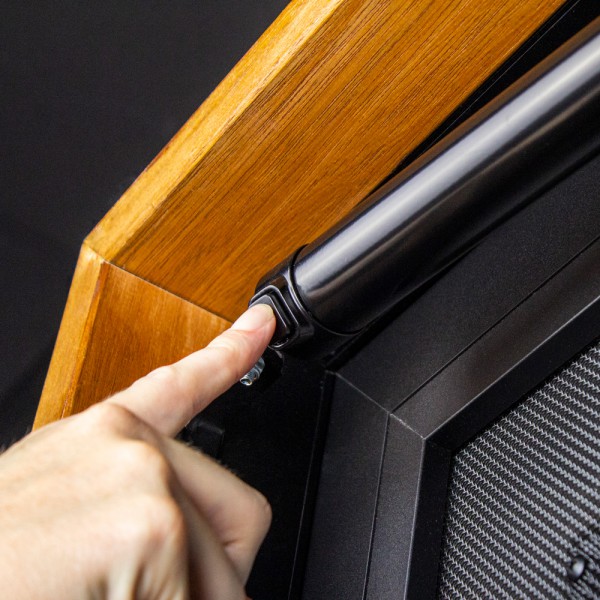
DC224

DC224 | Security Door Closer

$38.73 inc. GST

Estimated lead time: 2 days

Streamlining the process with a new hold open button.

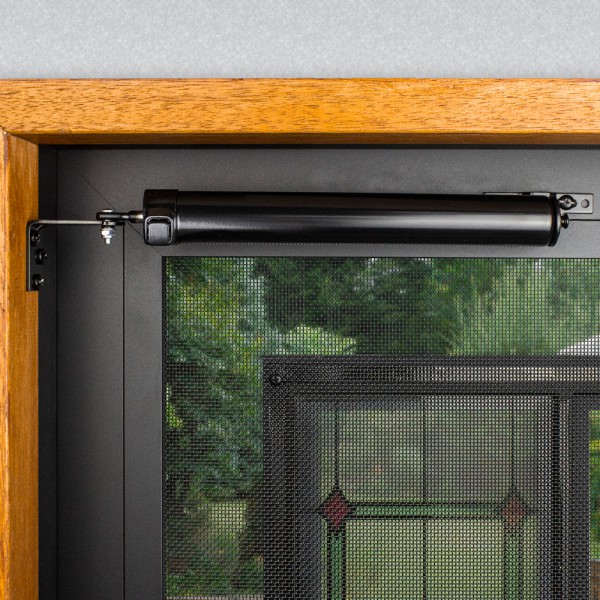
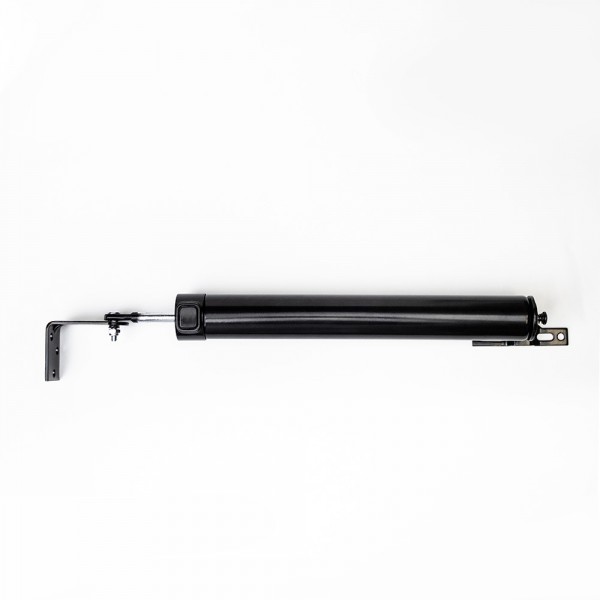
The DC224 Security Door Closer is an innovative update on the DC223 Pneumatic Swing Door Closer, featuring a new hold open button.

How it works: press the hold button in the beginning then open the door to the required position. The door will stop there. Alternatively, when the door is opened to the required position, depress the hold button the stop the door there.

To close the door, open the door further so that the hold function is released. This is different from our usual experience when operating a door, but it is important to operate the door with DC224 Closer this way.

Product Description

Application & Project Fit

The DC224 is specified for hinged security screen doors, barrier doors, and heavy-duty fly screen doors where self-closing is either a project requirement, a building compliance consideration, or a post-handover management expectation from strata or facilities teams.

For fabricators and security door manufacturers supplying into volume residential programs, the DC224’s five-screw installation with all fixings supplied reduces on-site hardware requirements and simplifies installation across multiple dwellings. The adjustable speed screw means a single product specification covers the full weight range of standard Australian hinged security screen doors — from lightweight aluminium fly screens through to heavy reinforced barrier doors with stainless steel mesh infill — without requiring different closer models per door type.

For builders, strata managers, and facilities teams, the DC224 addresses a consistent operational failure mode in the security screen door category: closers that lose their self-closing force under high-cycle use, or hold-open mechanisms that wear out and create door slamming. The DC224 is tested to 50,000 cycles at 24kg to provide independently verified performance at the upper weight limit of the product’s application range.

The Push-Button Hold-Open — What Changed and Why It Matters

The DC224’s defining upgrade over its predecessor is the replacement of the old jam-slider hold-open with a push-button mechanism. This is not a cosmetic update. The jam-slider system had a consistent failure mode that the push-button directly addresses.

The problem with the old jam-slider: The slider engaged by friction contact and wore out of reliable engagement over high-cycle use. Users would frequently leave the slider engaged without realising it, then release the door, which would slam shut against the still-engaged mechanism, stressing the door frame, hinges, and lock over time. Disengaging the slider required a deliberate manual action that many users skipped.

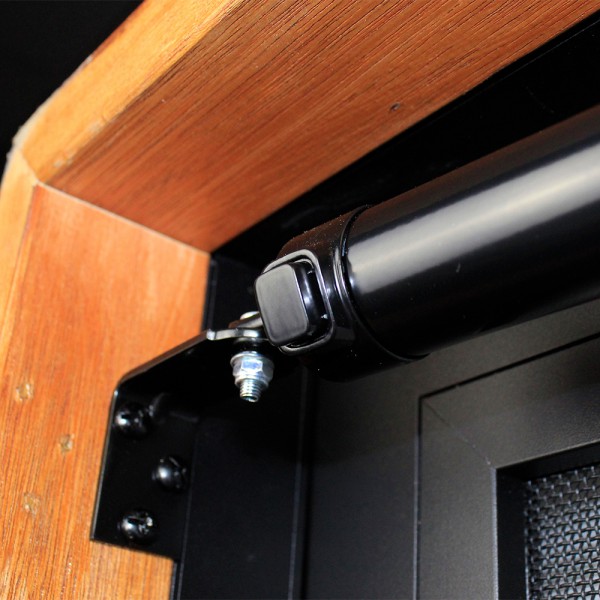
How the DC224 push-button works: Press the hold button before opening the door, then swing the door to the required position. The door holds there. Alternatively, open the door to the required position first, then depress the hold button to stop it at that point.

To release the hold and allow the door to close, open the door further past the held position. This disengages the mechanism and the door closes under pneumatic pressure. The door must be pushed further open to release — pulling it back toward closed does not disengage the hold.

This release method is different from what users expect when first encountering the DC224. It is important that this is communicated to installers and end users at handover. The DC224 Instruction Guide covers this in detail and should be supplied with every installation.

The operational advantage of the push-button is deliberate and positive engagement. Release requires an intentional action — opening the door further — which prevents the accidental door slamming that was common with forgotten jam-slider engagements. For high-frequency residential use, strata common areas, and commercial applications, this is a measurable improvement in day-to-day performance.

Speed Adjustment for Variable Door Weights

The DC224 includes a speed adjustment screw that controls the closing force delivered by the pneumatic cylinder. This is a specification-grade feature, not a convenience addition.

Security screen doors in Australian residential and commercial construction vary significantly in weight. A standard aluminium fly screen door sits well below 10kg. A reinforced security screen door with a stainless steel infill mesh can approach 24kg. A single fixed closing speed cannot deliver appropriate performance across that range. Too fast on a light door creates slamming that stresses the frame and locking hardware over time. Too slow on a heavy door produces incomplete closure in wind conditions.

The speed adjustment screw on the DC224 allows closing speed to be tuned on site after installation to match the specific door weight and the operating environment. This means one product code covers the full door weight range up to 24kg without requiring different closer specifications per door type across a project.

Security Nut Retention

Standard pneumatic door closers use a simple fastening arrangement that allows the closer cylinder to be displaced from its bracket under the lateral force of a forced entry attempt. On a security screen door — which is specified precisely because it forms part of a building’s entry resistance system — a closer that pops out under force is a structural vulnerability.

The DC224 includes a security nut that physically locks the closer body into its mounting bracket. Under lateral force applied to the door or frame during a forced entry attempt, the closer cylinder remains retained in its bracket position. This maintains the door’s self-closing function and structural continuity even under significant applied force.

Installation

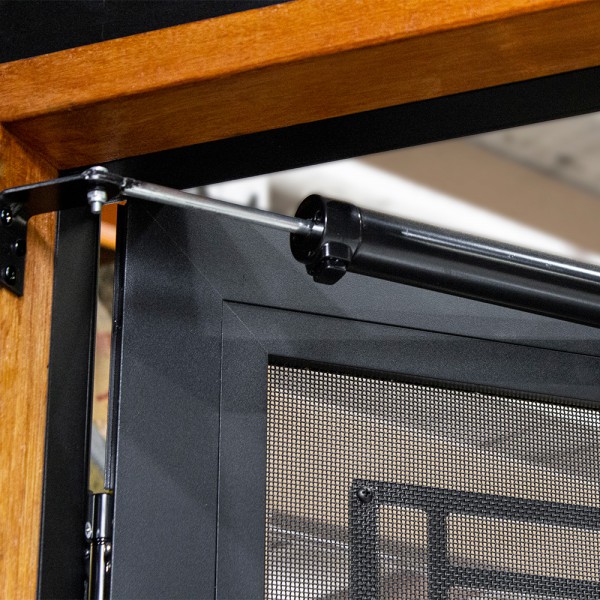
The DC224 installs with five screws, all of which are supplied with the unit. No additional fixings or hardware are required for a standard installation on a hinged security screen door frame.

The extruded aluminium body suits top or bottom rail mounting, depending on the door frame configuration and site preference. Full installation sequence, mounting position selection, and speed adjustment procedure are covered in the DC224 Instruction Guide, available for download via the Product Details section.

The DC224 Instruction Guide is also available as a video — watch the installation walkthrough above before beginning installation on site.

Product Details

Product details

Body Material Extruded aluminium
Fixings Material Powder coated mild steel
Finish Powder coat
Colour Black
Door Weight Rating Up to 24kg
Fixings Supplied Yes — 5 screws included
Order No 9051784
Lead Time 2 days
Download DC224 Brochure Download DC224 Instruction Guide

Testing

  • Cycle tested to 50,000 operations
  • Tested to 24kg door weight — covers the full range of standard Australian hinged security screen doors
  • Extruded aluminium body for long-term dimensional stability under repeated mechanical load
Enquire — Add to My List

Colours

  • Black

Advantages

Advantages

  • Push-button hold-open: Replaces the old jam-slider system. Press the button, open the door to the required position, and it holds there. Open further to release and close.
  • Security nut retention: Locks the closer body in its mounting bracket under lateral force, preventing the cylinder from being dislodged during forced entry attempts.
  • Speed adjustment screw: Controls closing force on site to match the specific door weight, from lightweight fly screens through to heavy reinforced security screen doors up to 24kg.
  • Supplied fixings: Installs with five screws, all supplied. No additional hardware required for standard installations.

Features

  • Extruded aluminium body — corrosion resistant and dimensionally stable under high-cycle use
  • Powder coat finish on all mild steel fixings — surface protection against moisture and UV degradation
  • Suits top or bottom rail mounting on standard hinged security screen door frames
  • Updated version of the DC223 — same proven pneumatic platform with push-button hold-open and security nut added

Frequently Asked Question

How does the hold-open button on the DC224 work?

The hold-open button engages in two ways. Either press the button before opening the door, then swing the door to the required position where it will hold, or open the door to the desired position first, then press the button to stop it there. To release the hold and allow the door to close, open the door further past the held position. This releases the mechanism, and the door closes under pneumatic pressure. It is important to note that pulling the door back toward closed does not release the hold. The door must be pushed further open to disengage.

What is the difference between the DC224 and the DC223?

The DC224 is the updated version of the DC223 Pneumatic Swing Door Closer. Both share the same extruded aluminium body construction, adjustable speed screw, and pneumatic closing mechanism. The DC224 adds two specific upgrades not present on the DC223: a push-button hold-open that replaces the DC223’s jam-slider system, and a security nut that locks the closer body in its bracket and prevents dislodgement under lateral force. If you are replacing a DC223, the DC224 is the direct successor and the correct specification.

What is the maximum door weight the DC224 is rated for?

The DC224 is tested to 24kg. This covers the full range of standard Australian hinged security screen and barrier doors, from lightweight aluminium fly screens through to heavy reinforced security screen doors with stainless steel infill mesh. For doors exceeding 24kg, contact Doric’s technical team for guidance on the correct closer specification.

How do I adjust the closing speed on the DC224?

Closing speed is controlled by a speed adjustment screw on the pneumatic cylinder body. Turning the screw changes the airflow resistance in the cylinder, which directly controls how fast the door closes. Adjust after installation with the door in its operating position to achieve a controlled close that latches positively without slamming. Full adjustment instructions are in the DC224 Instruction Guide, available for download on this page. A video installation guide is also available above.

Why does the DC224 need a security nut if it is installed on a security door?

Security screen doors are specified to resist forced entry at the door and lock level, but standard door closer brackets can still be vulnerable to lateral force that dislodges the closer cylinder from its mounting. A closer that pops out under force loses its self-closing function and can expose a gap between the door and the frame. The DC224’s security nut physically locks the cylinder body into the bracket, maintaining the closer’s structural integrity and self-closing function even under significant lateral force applied during a forced entry attempt.

Can the DC224 be mounted on the top or bottom rail?

Yes. The DC224 suits both top and bottom rail mounting positions on standard hinged security screen door frames. Mounting position selection depends on the door frame configuration and site preference. The DC224 Instruction Guide covers both mounting options with full fixing placement guidance.

Does the DC224 come with all the fixings for installation?

Yes. Every DC224 is supplied with five screws — the complete set required for a standard installation. No additional hardware needs to be sourced separately. The DC224 Instruction Guide, available for download on this page, provides the full installation sequence.

Is the DC224 suitable for fly screen doors as well as security screen doors?

Yes. The speed adjustment screw allows the closing force to be tuned to suit lighter fly screen doors as well as heavier security screen applications. The 24kg test rating is the upper limit. For lighter fly screen installations, adjust the speed screw after installation to achieve a controlled, non-slamming close appropriate for the lower door weight.